
Recipe: dahl

This is one of my “go-to” recipes. I eat this every week because I like it that much. Wanna know why? Try it! (And then let me know if you like it.) I typically make a double batch, but I left the calculations for the single batch just in case you don’t like it as much as I do.

stacked cans of coconut milk and tomatoes
  • 1 tsp. olive oil
  • 2 onions, diced or sliced
  • 3 garlic cloves, minced
  • 1 tbsp. fresh ginger, grated
  • 1/2 tsp. crushed red pepper, or more to taste. (This amount is mild.)
  • 1/2 tsp. cumin
  • 1/2 tsp. coriander
  • 2 tsp. turmeric
  • 1 tsp. garam masala
  • 1 c. (200g) lentils, soaked
  • 400 ml can of pureed tomatoes
  • 400ml coconut milk (I use light, but don’t. Full fat is better.)
  • 2 cups chicken or beef broth
  • salt and pepper, to taste
  • 1/2 lemon, juiced
  • 2-3 handfuls fresh spinach

Heat the oil in a large pan over a medium heat. Add the onion and cook gently until golden brown. (This takes a while, but the trick to amazing flavor is patience. My Pakistani friend told me, “It’s better just to forget about them for awhile.”)

Add the garlic, ginger and red pepper and cook for a few minutes. Add remaining spices and cook for another minute. 

Add the lentils, pureed tomatoes, coconut milk, and broth, and stir to combine the ingredients. Season with salt and pepper and cook on low heat for 20-30 minutes until lentils are soft (the liquid will reduce during this stage). Remove from heat.

Stir in the lemon juice and spinach, or simply serve spinach as a side for everyone to add themselves. Delicious with basmati rice (and delicious without, really).
Recipe: harira

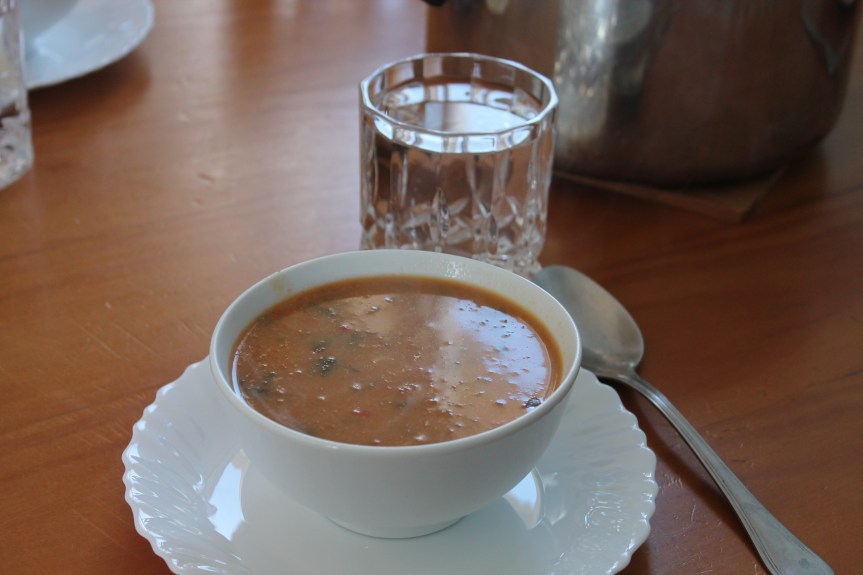
This tomato-based soup is a classic North African dinner, served especially in the winter and during Ramadan. Although unfamiliar as a dish, you might find something familiar in the mild, comfortable flavor. Harira tastes like a food I grew up with, even though I didn’t.

After tasting many versions of this soup in both North Africa and Spain, it’s the aroma that gets me every time. Nostalgia creeps in around the time I add the parsley and cilantro.

The recipe isn’t hard, but note that it takes a lot of stovetop time!

  • 225 g (1/2 lb.) beef, diced into tiny pieces
  • 3 tbsp. olive oil
  • 2-3 beef soup bones
  • 1 kilo (2 lb.) tomatoes, cooked and pureed
  • 1 handful garbanzos, soaked but not cooked
  • 1 large onion, grated
  • 1 tbsp. salt
  • 1 tbsp. ground ginger
  • 1½ tsp. black pepper
  • 1 tsp. ground cinnamon
  • 1/2 tsp. turmeric powder
  • 2 handfuls dry lentils
  • 3 tbsp. tomato paste combined with 2 c. water
  • 1 stalk celery (with leaves), chopped
  • 1 small bunch parsley, chopped
  • 1 small bunch cilantro, chopped
  • 3 tbsp. broken vermicelli (I like to use whole wheat)
  • 1/2 c. flour combined with 1 c. water (Although it’s not traditional, I use oat flour.)
  • water

Brown the beef in the olive oil.

Add the soup bones, pureed tomatoes, garbanzos, onion, spices, and 3 cups of water. Bring to a boil, cover, and simmer for an hour.

Add the lentils, tomato paste mixture, celery, parsley, cilantro, and 2-3 cups of water. Bring to a boil, cover, and simmer for 90 minutes.

Add vermicelli and simmer until tender.

Thicken the soup to a silky, cream-like consistency by gradually adding the flour and water mixture, stirring constantly. Simmer soup for 10 minutes, stirring occasionally.

Add salt, pepper, or any of the other spices to taste. Serve in small soup bowls with large soup spoons… or slurp it right out of the bowl! Serves about 8.

Note: If you want a soup with a louder flavor, go light on the water that is added throughout the recipe. Everyone has their way of preparing this dish, so feel free to be creative.

Recipe: chai

Looking for a warm drink to carry you through winter? This is still one of my favorite drink recipes, although it’s more American than Asian. (I am still learning how to make the real stuff.)

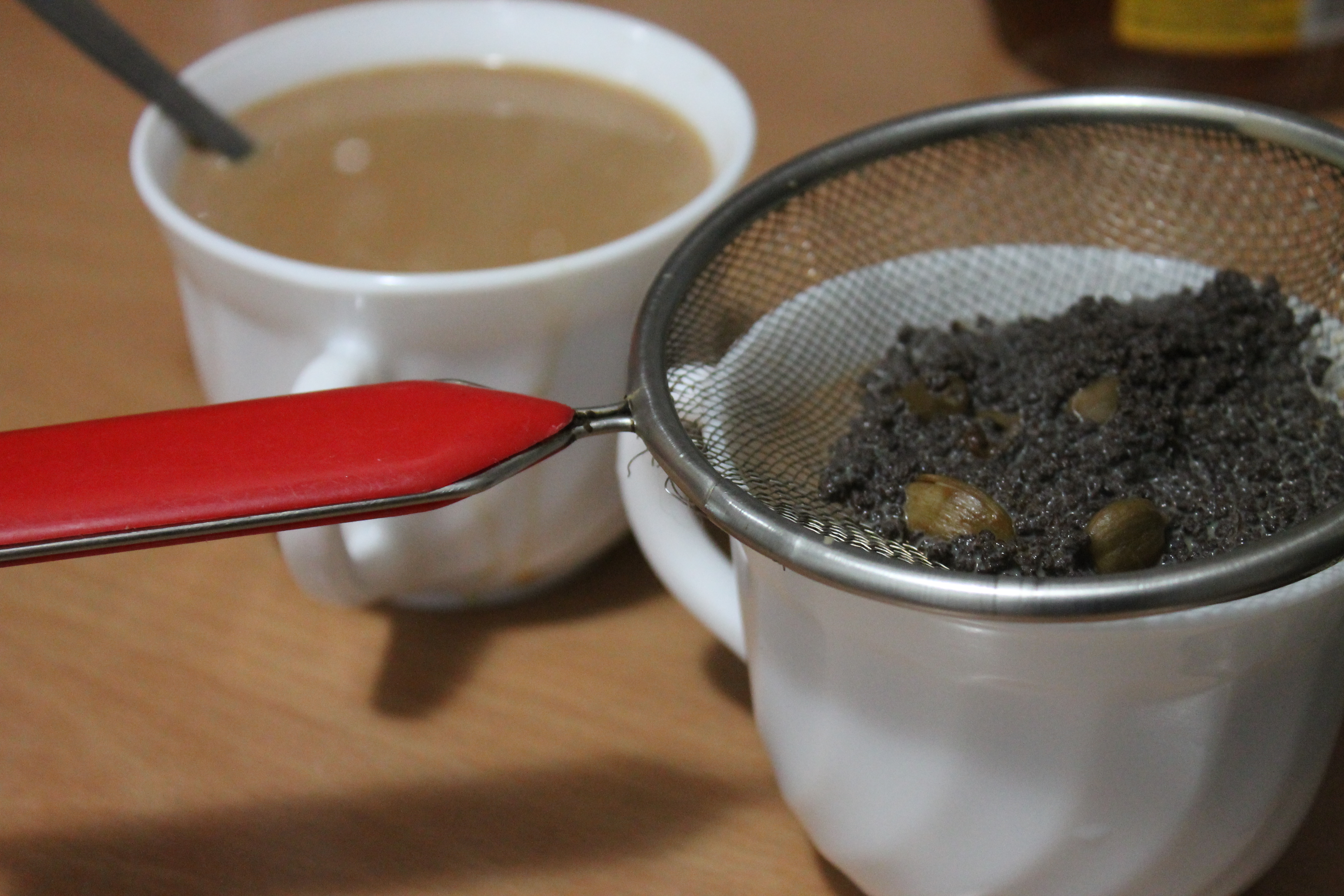
sieve with chai and cardamom seeds
  • 2 c. water
  • 2 chai or black tea bags , or 2 Tbsp. (4 g) if using loose leaf tea
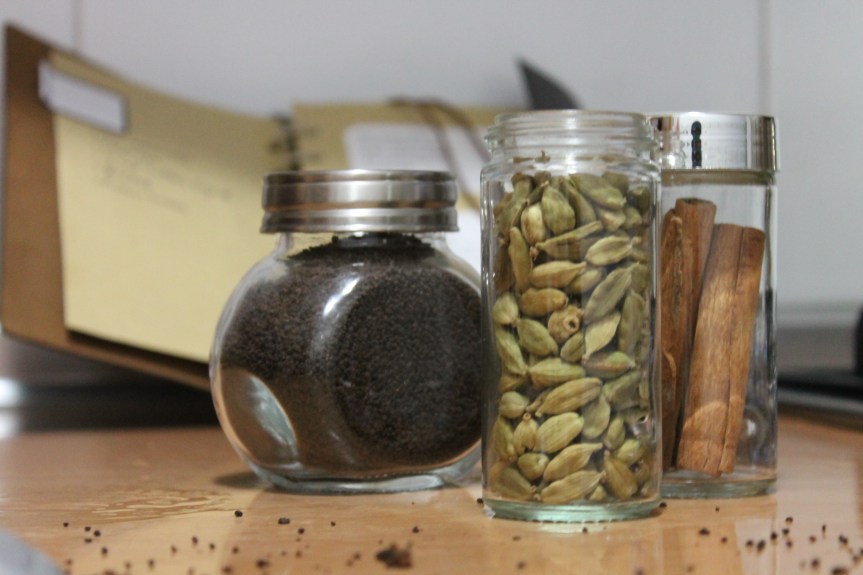
  • 1 cinnamon stick (or 1/4 tsp. ground)
  • 6 cardamom seeds, crushed (or 1/2 tsp. ground)
  • 1 whole clove (or 1/8 tsp. ground)
  • 1/4 tsp. ground ginger
  • 2 1⁄2 c. milk
  • 1/4 – 1/3 c. (50-67 g) sugar

Combine everything except milk and sugar. Bring to a boil, reduce heat, cover and simmer for 5 minutes. Stir in milk, return to a boil for 1 minute. Stir in sugar (to taste) and strain before serving. Garnish with whipped cream, if desired.

Recipe: Gingerbread cookies

Ever since North Africa, these cookies have been my Christmas tradition. Not only are they yummy, but they are also fun to make because they retain their shape. The original recipe can be found on thekitchenpaper.com. I’ve altered it very slightly and included some notes at the bottom. I’ve also included some of the weights in case you weigh your ingredients like I tend to.

  • 3 c. (384 g) flour
  • 1/2 tsp. salt
  • 1+ tbsp. ground ginger (a smidgen more for a better kick)
  • 2 tsp. ground cinnamon
  • 1/4 tsp. ground cloves
  • 6 tbsp. (85 g) butter
  • 3/4 c. (150 g) brown sugar
  • 1 large egg
  • 1/2 c. (160 g) molasses
  • 2 tsp. vanilla

Whisk the flour, salt, and spices together. Cream the butter and sugar until they’ve just come together. Add the egg, and mix until incorporated. Add molasses and vanilla. Mix. Slowly mix in the flour mixture until your dough forms. If your dough is crumbly, add 1 tsp. of milk at a time until it comes together. Roll out at room temperature on a lightly floured surface to 1/4″ thickness. Bake at 375° F. (190° C) for 8-9 minutes.

shaped gingerbread cookies on counter

Note: You really don’t want your dough sticky. It’s a headache. The more flour you add to keep them from sticking to your rolling pin, the less flavorful they will be.

Also note: If you like your gingerbread cookies thin and crispy, by all means, roll them thin. But don’t forget to decrease the baking time like I forgot to do this year. 😦

Third note: These turn out best when you’re listening to Christmas music. 🙂