Country mice in Almería

Once in a while, my roommate and I like to get out of our immigrant town and feel like we’re in Europe (because it’s so easy to forget that we actually are!).

I looked up a local art museum and an intriguing café in Almería. So, pretending to be polished and cultured, we country mice set off to spend our Friday evening in the big, frightening city.

Okay, I’m exaggerating a little. It’s not like we never go to Almería and neither of us are frightened by the relatively small city. However, despite how sophisticated we felt that night, I rather think we still looked like country mice.

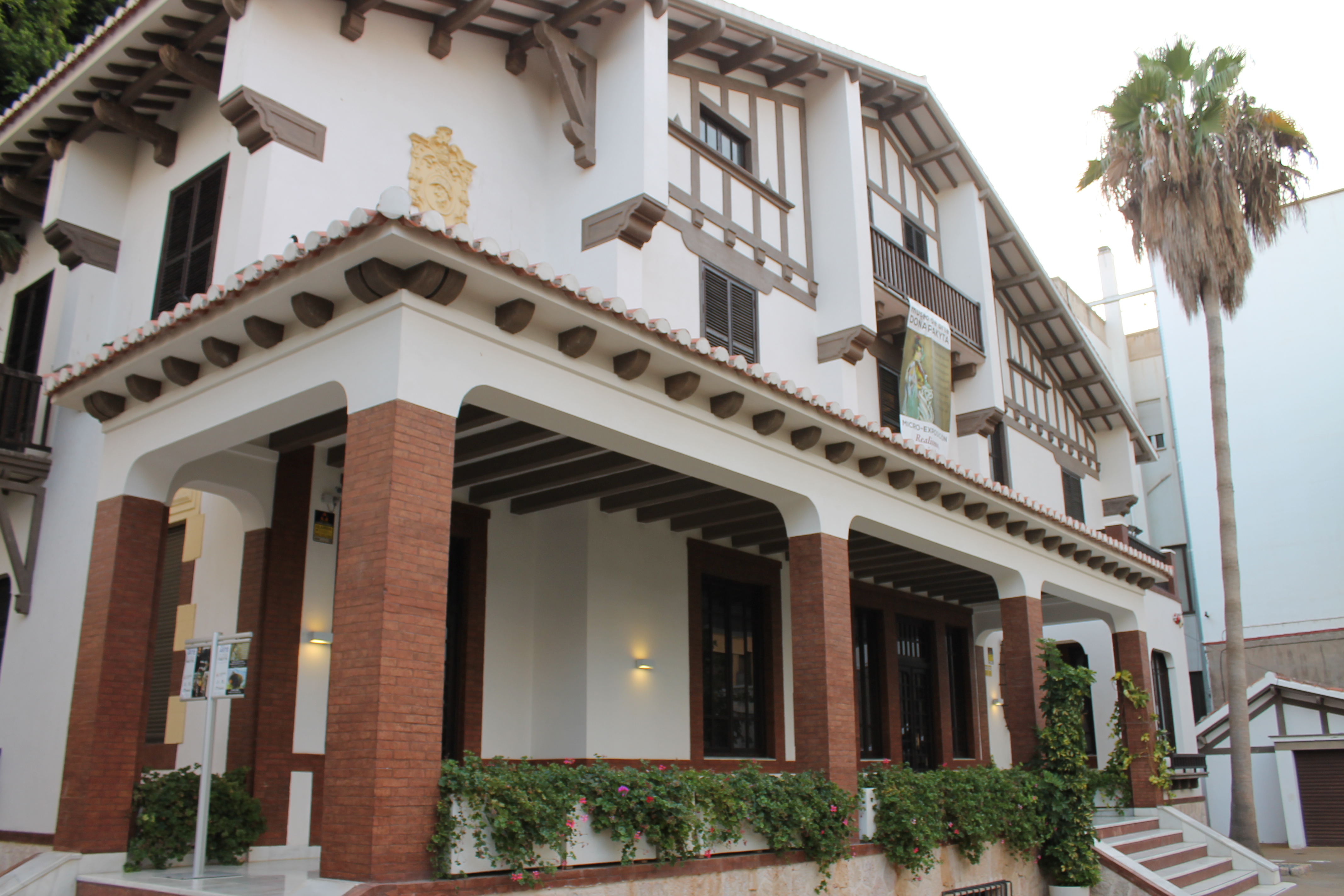
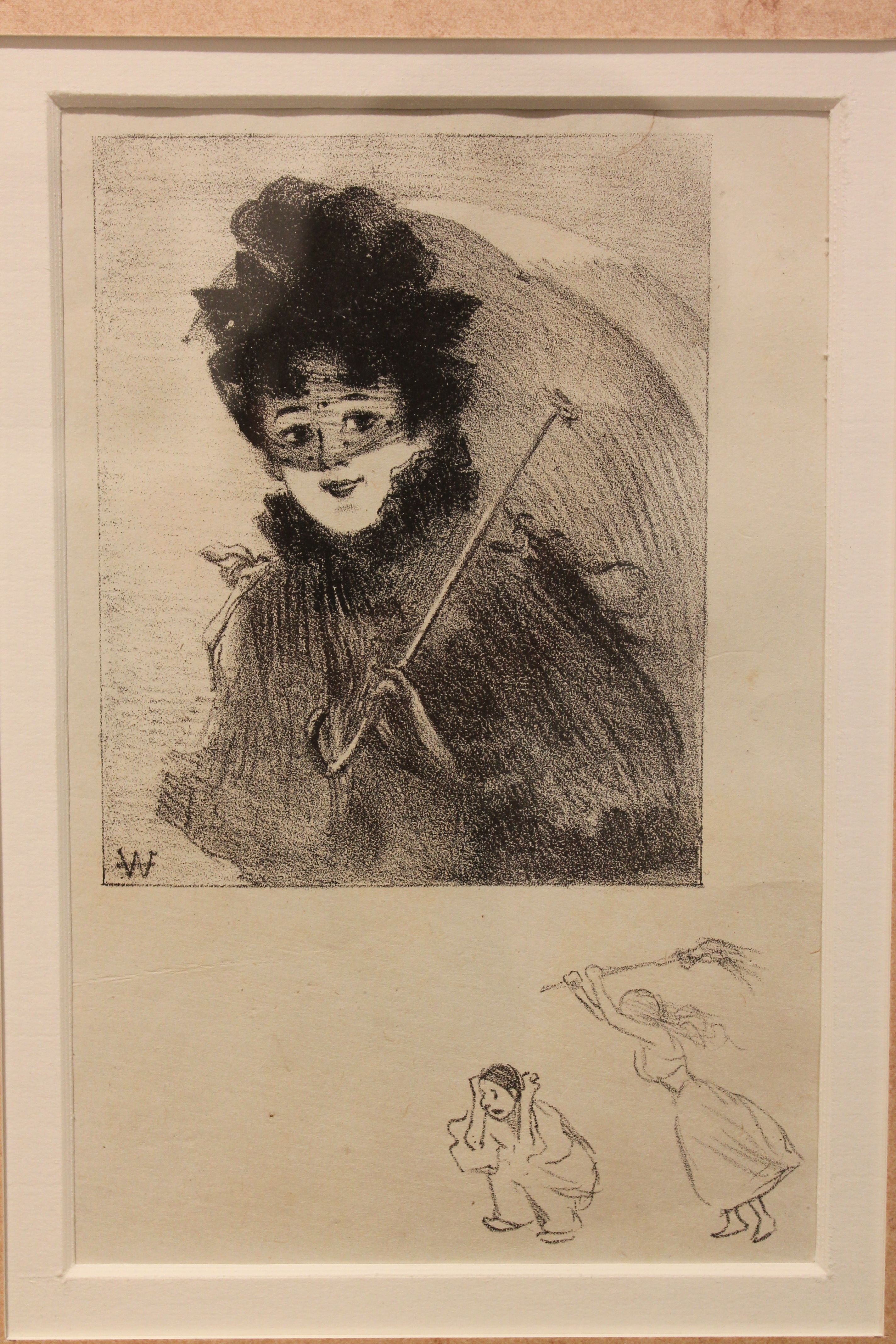
Our adventure began at the Doña Pakyta art museum. I highly recommend this little museum if you’re ever in Almería. Not only is it full of local art and snapshots of the city’s history, but it’s also located in an old residence. (And it’s free!)

Our next stop was Café Cyrano. I had only browsed through reviews, so we had really no idea what we were getting into. But we pretended that we did. And we were pleasantly surprised by a bustling and yet relaxed atmosphere. I managed to tune out the world and study Arabic while munching on a pita griega vegetal.

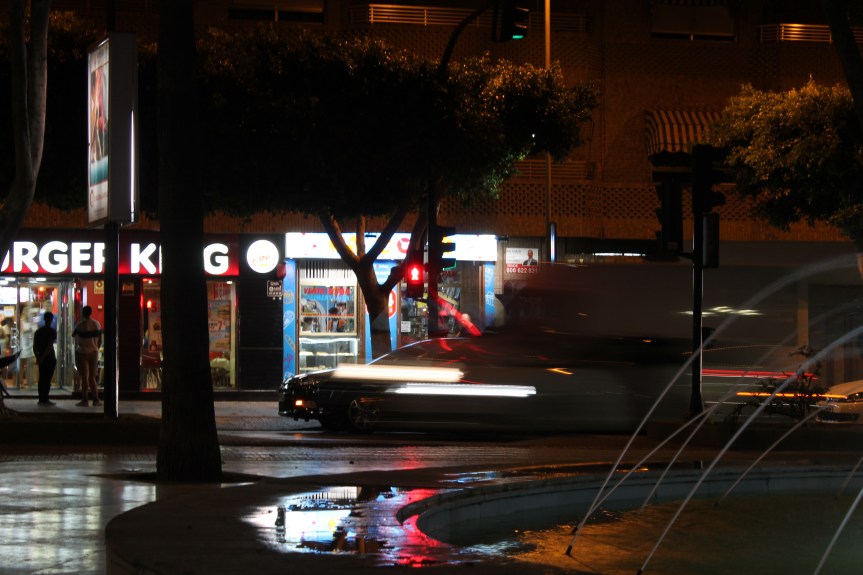
Last of all, while waiting for the last bus back to Immigrantville, we sat along the Rambla, the main boulevard, and enjoyed the life happening around us.

Birth certificates and cookie crumbs

It took 45 minutes to walk to town hall. Naima had told me she would meet me there. She was so slow in coming that I almost gave up. But it was a pleasant morning. There was shade and a nice breeze.

Suddenly she appeared, three children in tow. Only Curly Top, the littlest, was her own; the older two belonged to a neighbor. The younger neighbor girl gave me a grin so big that it took up the bottom half of her face.

Naima had tried to call me to change the meeting place, but I hadn’t answered, she said. We left it at that and walked together to a little building on the end of town.

“What do you need here?” I was the designated interpreter. But that could only happen if I understood what I was supposed to interpret. Naima tried to type the unknown Arabic word into my translator, but didn’t know how to spell it.

We entered the building, just large enough for a few offices that didn’t look strikingly official.  A sign said to ask for a number, so I snagged a wandering employee. “A number please?” By the time he found a number and brought it to me, it was my turn.

But I still didn’t know what Naima needed.

I sat across from a gruff man at a desk. “What do you need?” His voice matched his expression.

“I don’t know.” I handed him my friend’s family book and he paged through it.

“What do you need?” he asked again.

“My friend needs two of something for her daughter, but I don’t know the word in Arabic, so I don’t know what to say in Spanish. She is trying to call her husband now.”

The gruff features twisted. “A birth certificate?”

“Is that what you have here?”

“Yes, and that’s all we have for her daughter.”

So while he printed the documents, he asked if I was evangelical and then launched into a one-sided discussion about Mormons. Mormons?

BANG! went the rubber stamp. BANG! BANG! BANG! He signed the documents with such scribbled flourish that it may have looked more natural had he been using a crayon on a coloring page.

“Where are you from?”

“The United States.”

“Trump. A lot of people angry that he doesn’t like immigrants.”

I sighed. Yes, but didn’t every country have its problems and weren’t there any problems in Spain?

Another one-sided discussion ensued that gave me a vague sensation of having made my point. He walked me to the door, still talking, and watched our little gang leave the odd little office.

Naima invited me up to her flat where I tried to translate a medical questionnaire that dizzied my brain. Naima sat on the arm of the couch and swatted away the little girls when they reached for the papers in my lap.

“Is it normal for your child to have high fevers?”

“No. She only has fevers when she’s teething. Have lunch with us.” Naima got up to start lunch preparations.

I couldn’t, but thank you. Another time, Lord willing.

“In my culture, when a guest comes to my house it’s shameful not to give them any food.” Naima packed up a container of olives she had brought back from her country.

I joined her in the kitchen area and watched her carefully wrap the container of olives in a plastic bag.

Curly Top was walking around the floor on her knees, sprinkling bread and cookie crumbs wherever she went, like a miniature Hansel and Gretel. Big Smile was claiming ownership of everything that wasn’t hers—my bag, Curly Top’s toys, a plate of cookies. I watched as she carefully stuck her foot into a pair of Curly Top’s pants, only about 3 years too small.

Naima took me to the elevator, leaving the flat door wide open and crumby children sprinkled along the hallway. I hit “0” and the elevator door closed.

When a day starts, I never know what to expect. But I kinda like that.

20 things I’m thankful for

  1. The golden ribbon of light along the curtain as the bedheaded sun peeks beneath the shade
  2. The perfume of dirt, black with rain
  3. Voices in harmony: “Come to my heart, Lord, come with anointing!”
  4. The blue blue blue of the Mediterranean from my bedroom window
  5. Talks that mean something
  6. Streets that are mine
  7. Second-hand clothing that smells good
  8. Fat babies in strollers, new and content
  9. Libraries of musty books
  10. Old men with hats and canes, lined up on park benches
  11. Rest beneath the late shadow of a palm
  12. Church bells
  13. Harmonious trails of busy ants
  14. A terrier grinning at me from the driver’s seat of a parked van
  15. Teenagers breakdancing in the park, conscious and proud of curious passersby
  16. Bright vests against black skin that whiz by on bikes
  17. The sweat and paint on a laborer just leaving work
  18. The echoing jingle of keys in an otherwise silent stairwell
  19. A real letter in a real mailbox
  20. Weary clouds in silver pajamas for bed

Night at the beach

It is evening as I descend from the bus stop to the beach. Red-faced, dripping families are ascending after their rigorous seaside adventure. Is it too much to hope for a quiet evening, alone with God and the waves?

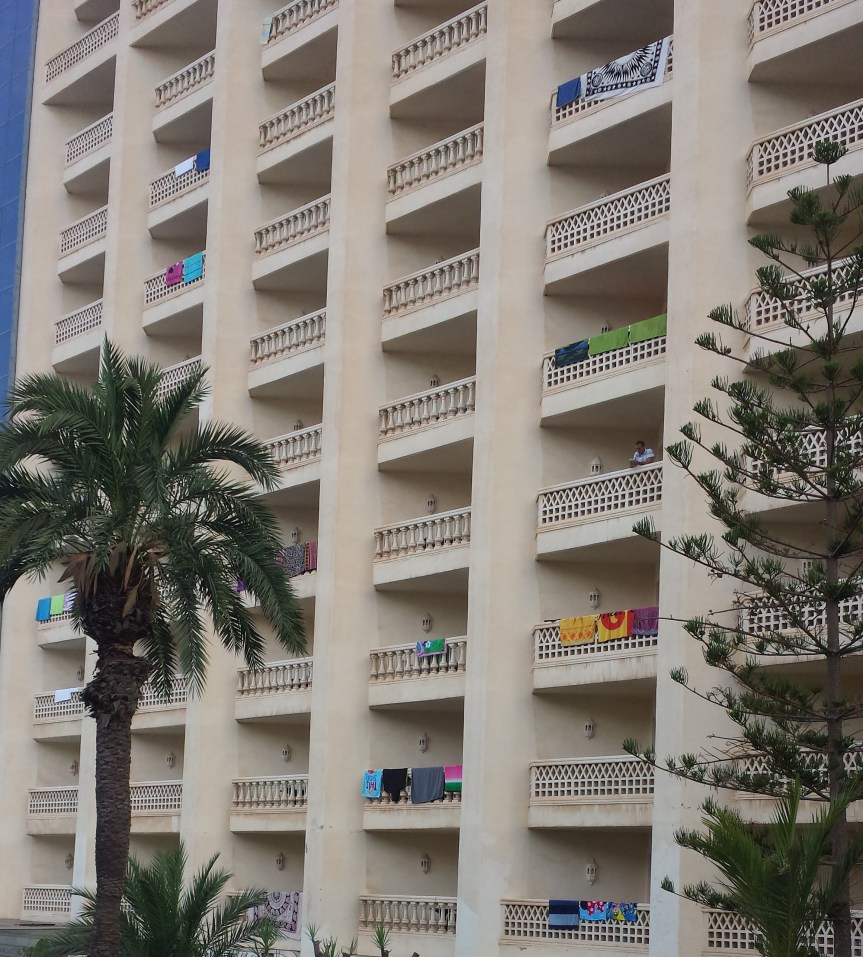
I get closer until I can smell the salty water. Brightly colored towels hang from the balconies of a beachfront hotel.

Despite those who have left, there are people everywhere. I am not the only one who thought of enjoying the post-sunshine beach. Laughter punctuates the dull roar of voices.

I slip off my shoes and enter the chaos. The thick sand is rough against my bare feet. Each step half-buries my foot. I find the quietest spot available, spread out my towel, and shake my head at an African vendor who is trying to make a sale.

The waves froth over the rocks. A jet-ski roars past, spinning to dance in its own wake. A boat skims along, a child in an inner tube bouncing and shrieking behind. Another boat passes, this one with less drama.

The sun disappears and the air is almost cool. But the sand still sticks to my sweaty arm as I reach down to adjust my towel.

I soak in the moment. Just as it is.

The night thickens and so does the salty scent of the waves. And finally, I pick up my things and start the uphill plod. I can’t hear the waves anymore. A bustling restaurant is playing Caribbean music while customers sit in wicker chairs shaped like hard-boiled eggs.

That fades too. And it’s just me and a few other panting stragglers going uphill toward home.

God doesn’t owe me results

The night was a failure. Even after a day of prayer and fasting.

No one noticed that my heart was beating in time with the Father’s. No one noticed that my soul was alive and refreshed.

People were out breathing in the cool night after the long, scorching day. Last week on my nightly strolls, I had met several women. Under the cover of dusk, we had sat on park benches and talked while children played around us.

But tonight there was nothing invigorating.

A stop at the local store made me wonder where the line between friendly and amorous should be drawn. And why was I always the one to draw the line?

And then there was that woman again. The shriveled Gypsy for whom I had once bought bread and eggs and now every time she saw me she snagged me with a long, anguished tale and a request for a couple of euros. How could I communicate love? Bread, eggs, and euros were not going to alleviate her poverty of soul.  Her granddaughters averted their blushing faces.

And that was all. No one else seemed open to conversation. Alone and discouraged, I finished my route and turned toward home.

That’s when truth started to sink it, settling between the churning waves of injured pride and self-pity.

God doesn’t owe me results. He doesn’t owe me deep, blossoming friendships and engaging conversations. If I cultivate a certain level of spiritual maturity, He doesn’t owe me the world on a silver platter.

My service is not qualified by my carnally-defined successes but by my faithfulness. Am I loving (and consequently serving) God with all of my heart? My soul? My strength? My mind?

Years and years ago, my Sunday school teacher gave me a quote that I have kept tucked inside of my Bible ever since. “There is no more powerful force for rebuking all evil things, whether of conduct or of opinion, than that of the quiet, strong, persistent life of a man or woman who goes on from day to day doing the duties of the day well, cheerfully, and with joy.”

As I walked those final blocks home, my sense of entitlement slipped away. “What if?” I wondered. “What if in my day to day journey, I start counting each blossoming friendship and engaging conversation as a blessing rather than my entitlement? What if I named each interaction as a gift rather than my payment for growing in Christ?”

The neighbor man waved and smiled. “Good evening.”

I waved back. “Good evening.” And it was.

A cathedral, cave houses, and amateur flamenco

The end of June, just before I left for the States, my roommate and I took a short trip to the nearby city, Guadix. In all of the July activities, I neglected to put up pictures… until now.

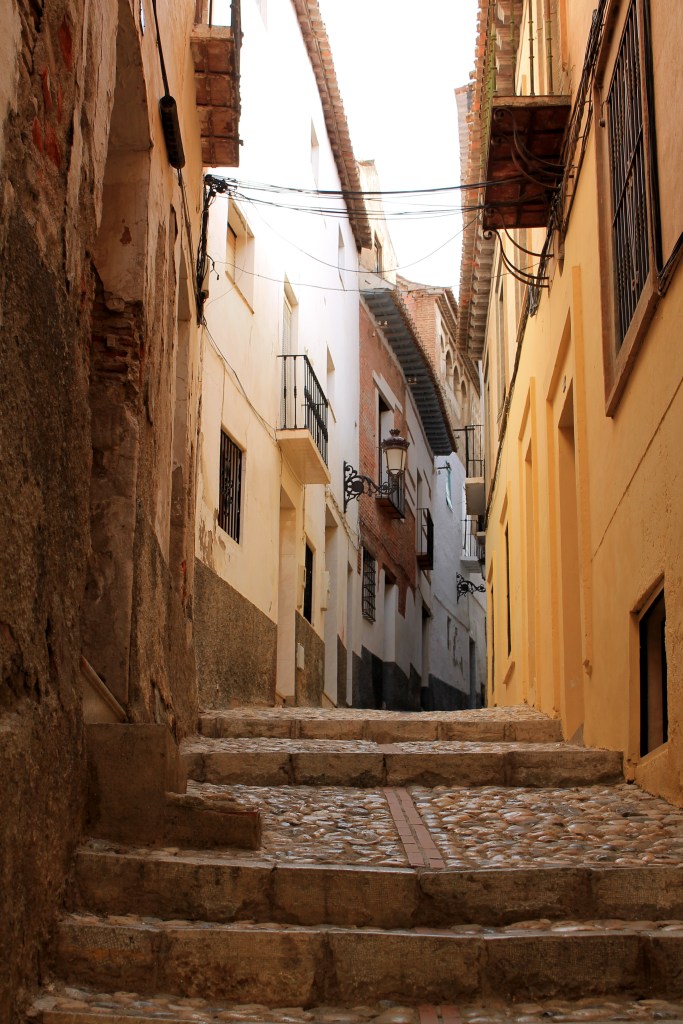
Overall, it was a good trip, although it did have its downsides… like being in town on a holiday weekend when businesses were closed, realizing that our trusty map was on my broken-down phone, getting hot and tired from wandering through the old city streets in search of our elusive airbnb. But those were the not-so-fun things that I didn’t bother to capture on my camera. So enjoy the happier things that I did…

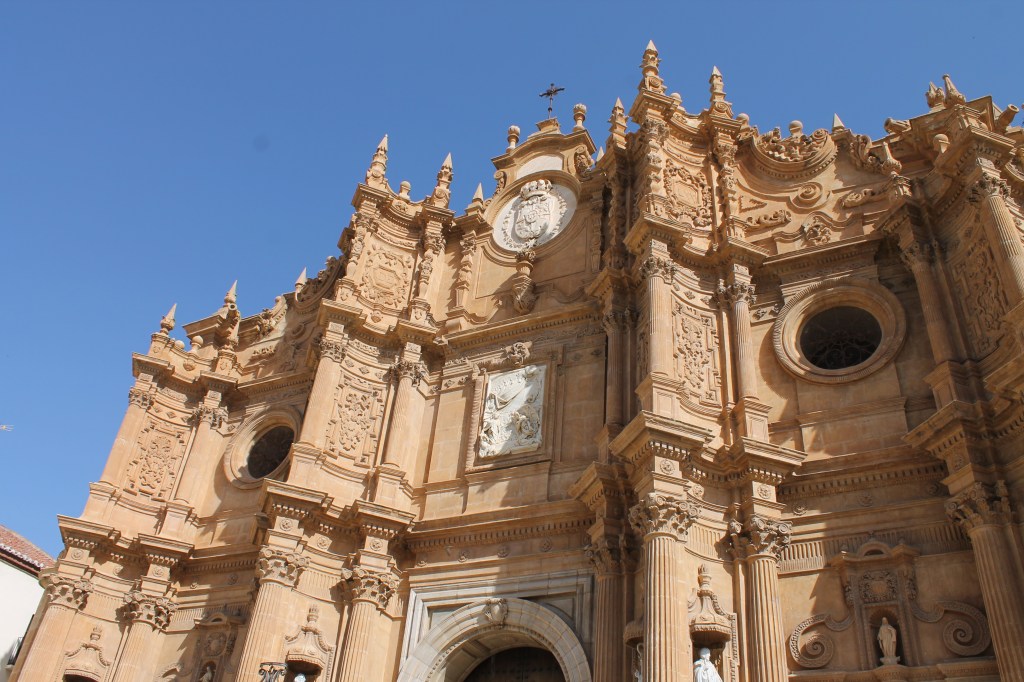
Guadix is known for its splendid Baroque cathedral which was built from the 15th to mid-18th century.

Guadix is also known for its cave houses. Before you start picturing primitive etchings in rock walls and cavemen wielding stout clubs, take a look at these pictures.

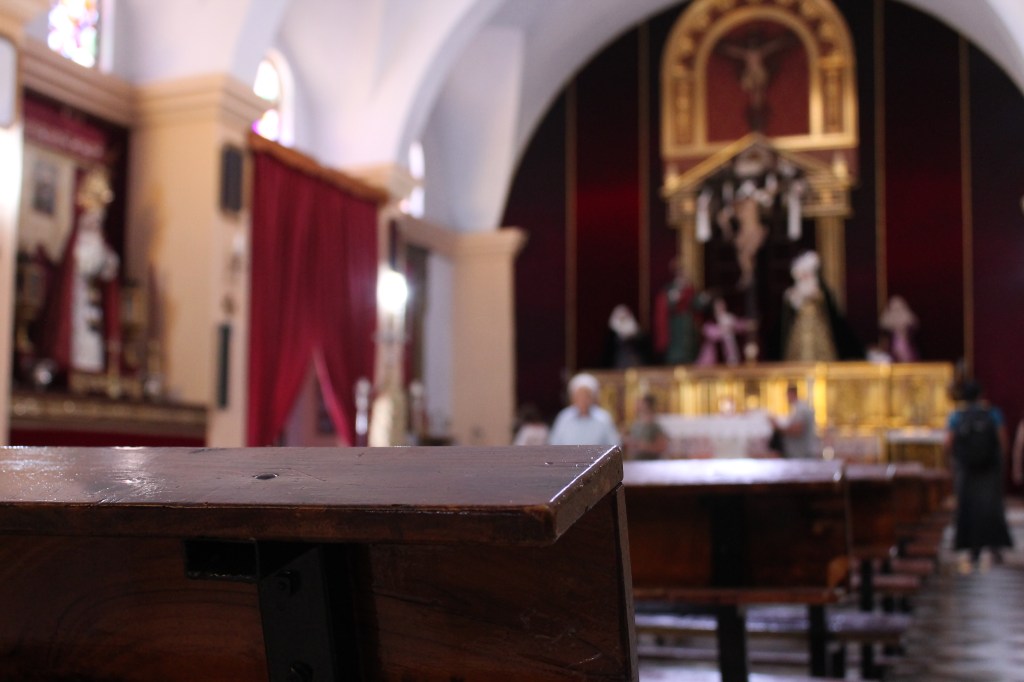
Rather from being formed from natural caves, these cave houses or “troglodyte houses” are carved into the rocky landscape. The cave houses maintain a temperature of 18º C (64ºF.).We toured a church in the cave community. The church had marvelous nooks and crannies and tottering staircases to explore.

I noticed the window shoppers after I took the picture. And I definitely don’t have anything against window shopping. Especially since that’s how my roommate and I found a flyer for a charitable event hosted by a flamenco school of dance. We went.

group of female flamenco dancers in black

Summer in Immigrantville

Summer in Immigrantville, Spain is not an easy thing to endure.

Why not? For one reason, it’s hot. As I write, a breeze billows the curtain, bringing dust and the sensation of standing within range of a hairdryer. They say it has been a relatively cool summer so far. Fine. But I’m still turning on the fan.

With heat comes lethargy. Trying to think of something to ingest other than iced coffee. Trying to drag myself off of the couch to get out and talk to people. Of course, this whole “getting out” thing is over-rated anyway; very few people brave the heat of the day, so why should I? On the other hand, staying “in” should produce deliberate choices to study language rather than Dickens.

But heat and lethargy are not all that is wrong with the summer here. The worst part of summer is summer vacation. In Immigrantville, this means that families scrape together the means to travel back to their countries for months at a time. Slowly, the town empties and the streets grow quieter. There are fewer people to bump into. Fewer people to talk with.

But that’s the pessimistic view of summer life in Immigrantville. Fortunately for all of us, I can only think of 3 negative aspects. And I can think of a few more positive aspects from my experience so far. Like…

  • Volunteering to help a local thrift store employee reorganize her store. Mostly, I just put clothes on hangers and affirmed her ideas to rearrange clothing displays.
  • Washing my clothes by hand because splashing around in cool water helps beat the heat.
  • Preparing new recipes for foods that can be eaten cold.
  • Taking a grocery trip to a nearby city. Of course, the trip required a date with my Kindle at an air-conditioned café in order to fortify me to haul heavy groceries from store to bus station and bus stop to home.
  • Learning it’s okay to rest in the afternoon while the town is hiding in their respective homes under their respective fans.
  • Strolling down the boulevard after sunset when the remnants of the population emerge from their homes. In fact, one time I even walked home with an invitation to couscous and another to an afternoon tea.
  • And last and least but not least, studying. The quieter days provide a chance to brush up on my languages and pertinent topics. (Note: As much as I love the idea of this opportunity, I am still learning the art of self-discipline.)

See? Rather than wallow in sweat and loneliness, I might be able to enjoy my summer in Immigrantville after all!

Me and my fat, drippy plum

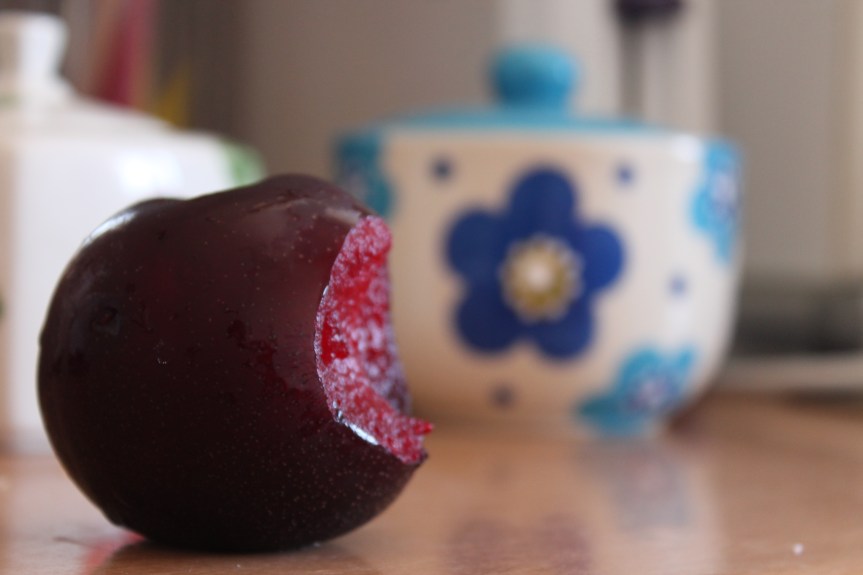
I was sitting on a kitchen stool, devouring a fat, drippy plum. “Wouldn’t this be a nice way to start a blog?” I thought and wished for inspiration to descend upon me. Something that would touch a spiritual or emotional vein. “I was sitting on a kitchen stool, devouring a fat, drippy plum when it suddenly occurred to me that…”

Instead, during a particularly juicy bite, I dropped the plum and it rolled across the neglected kitchen floor, gathering bits of lunch leftovers as it went. I picked it up, washed it off, and kept eating… and waiting for inspiration. But my mind strayed to menu ideas for cold main dishes and luscious salads.

And then I thought of how my last evening in Illinois was damp with just a smidgen of chill. We sat on the front porch and blew bubbles to delight my nephews. And how I didn’t want that night to end. Ever.

How pleased I was that my brother had married, but how melancholy I was at another evidence that life keeps changing. And we have to keep adjusting.

How hard it had been to leave Illinois, but how I had been ready to get back to Spain and what has become normal life for me.

How, more than once, I had accidentally referred to Spain as “home” which got confusing when I referred to Illinois as “home” in the same sentence.

How I had asked God to let the seat beside me be empty on my 8 hour flight over the Atlantic. I wanted to sleep. Instead, He placed a Palestinian man beside me. And we talked.

How after I had unpacked, I discovered an empty shelf in my tiny room. What a delight!

How timid I was to go out and buy groceries because my Spanish felt rusty and I knew that shopkeepers would ask about my trip. And how they did, but how I survived.

How 3 weeks was not enough time to catch up with family and friends and how the days had gone so hard and fast that they now seemed a lifetime ago as I sat on the kitchen stool and devoured my fat, drippy plum.

That’s what I thought about. Nothing profound or inspiring. Just life right now.

In less than a week…

In less than a week, I plan to leave for the States. Three weeks of family and friends and a very important family wedding.

I have a lot more family and friends than will fit into three weeks, but I’m going to try anyway.

And, by the way, no more blogging until I get back to Spain. Priorities, you know? Yes, you probably do know.

I’ll give you an update when I get back. But hasta luego…

Río Duero

Río Duero, río Duero,
nadie a acompañarte baja;
nadie se detiene a oír
tu eterna estrofa de agua.*

(Douro River, Douro River,
no one to accompany your descent;
no one to stop and hear
your eternal stanza of water.)

We had gone over this poem for the last five classes. At least. We had already unpacked the literal and figurative meaning of each word and noted the poetic devices.

We had written paragraphs and held discussions on the importance of water. And we had drawn a map of all the important rivers in Spain.

And still…

Río Duero, río Duero,
nadie a acompañarte baja;

“Trish, you read. The first stanza.”

Fine. “RíoDueroRíoDuero…”

“Ah! That’s not poetry! That’s prose… badly read prose! Listen…”

My teacher burst into a triumphant recitation of the first lines. Once again, those syllables rattled around in my head.

I imitated her enthusiasm, but my version may have been more obnoxious than triumphant. “RÍO DUERO, RÍO DUERO…”

The second hour students paused their pencils over their copy books and stared at me. But my teacher remained unimpressed. “Not that either!”

What did I care about the Duero River with its silver beard and its eternal water stanzas?

But I tried again. And as I read, I heard the poem… maybe for the first time. I saw the Duero flowing on alone, used but unseen.

Used. Unseen. But still flowing.

And suddenly the poem was less about a river and more about a life lesson I needed to be learning.


* The first stanza of “Río Duero” by Gerardo Diego
Photo by Migsar Navarro on Unsplash