


I just finished reading Anthony Doerr’s Four Seasons in Rome. Someone discarded it, and I picked it up, curious. This isn’t a book recommendation unless you happen to know that you like Anthony Doerr, but Doerr’s descriptions of life on the outside of a culture cut me wide open. I didn’t know there were words for these “in but not of” feelings.
Apartness and perpetual humiliation are part of daily life for those living overseas. Sometimes we talk about it too much. Often we don’t even acknowledge it but let our frustration become part of the existing barrier, like a thick moss growing over a wall we’re trying to ignore.
We are outsiders, always outsiders, chipping at the barrier that stands between us. And there are successes! Moments when a chunk of the wall falls away and we glimpse the other side…only to find razor wire.
“To be a nonfluent foreigner is to pass through one gate only to find yourself outside two more,” writes Doerr (p. 46). “We are humbled over and over–humility hangs over our heads like a sledgehammer… Oh, you think you’ve been here long enough to barter at the street markets? Guess what, you just spent €8 on three plastic clothes hangers” (p. 76).
After nine months in Rome, Doerr walks into a grocery store and makes an order without messing up a single syllable. “What happens?” he writes. “I get my groceries. No streamers drop from the ceiling, no strobe lights start flashing. The grocer doesn’t reach across the counter and take my face in her hands and kiss me on the forehead.” Instead, the grocer asks about his boys and speaks so quickly he can’t keep up. “…I miss 80 percent of it and sheepishly, stepping down from my throne of fluency, have to ask, ‘I’m sorry, more slowly, please?’” (p. 168)
For some, eventually the barriers do not loom so large or feel so insurmountable. But for many? “I know nothing… I never made it through the gates between myself and the Italians. I cannot claim to have become, in even the smallest manner, Roman” (p. 201).
True. Despite my efforts to integrate into the culture around me, my North American worldview remains mostly intact, placing me decidedly on the outside.
But if we let it, doesn’t living on the outside help us accept who we are? After all, like it or not, we cannot cease being a part of something. Not being a part of the culture we’re living in is because we’re part of another, or even several. Being on the outside can help us identify our own “inside.”
Apartness and perpetual humiliation are hard, but they are also opportunities to learn and grow.* And we need these opportunities to understand ourselves.
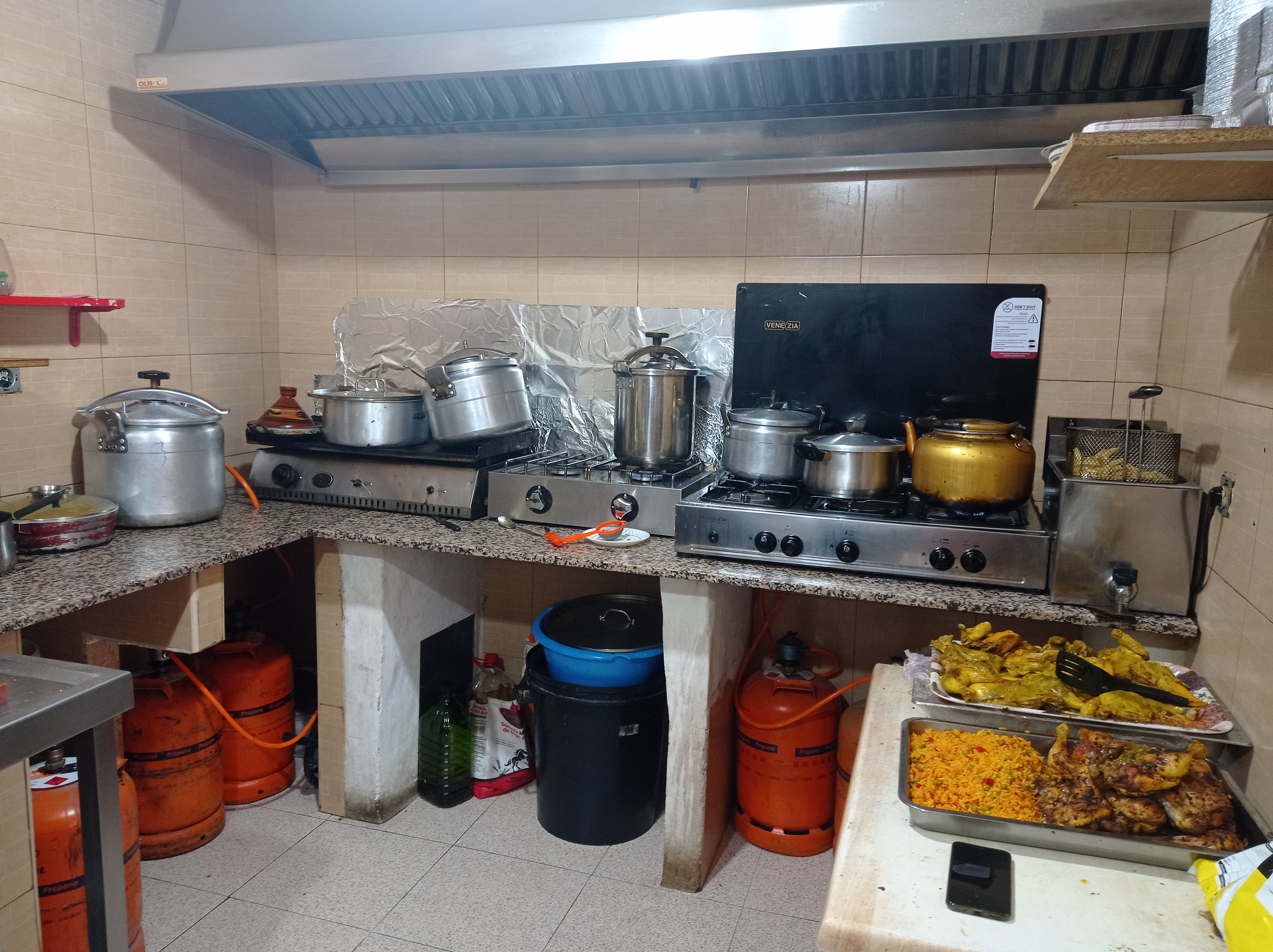
So I will try to be grateful. Even as my neighbor gives me a list of what is wrong with my couscous. Next time, it will be better. I can promise.
Doerr, Anthony. Four Seasons in Rome. Scribner, 2007.
*Thank you, J, for your positive spin on life to remind me to keep on growing!











 My Thoughts From Afar |